
The VHS EdTech Report – May 7, 2025, Issue #4
Bringing Canvas, Artificial Intelligence, and Tech Updates to the Pack
📢 Welcome to The VHS EdTech Report!
Each edition will highlight Canvas insights, AI developments, EdTech tools, and upcoming PD opportunities to keep you ahead of the curve.
🔍 What's Inside This Report?
- Canvas Report: Data and reporting from periodic Canvas observations alongside campus goals.
- AI News & Implementation: A look at AI’s expanding role in research, education, and automation, featuring updates and insights from OSU, Waymo/Toyota, AI Researchers, and the White House.
- EdTech Tools & PD Opportunities: This issue’s featured tool, Canva Code, an AI-driven feature in Canva for creative projects. EdTech appointment booking and PD opportunities are on the last page.
DJ
by Dane Jacobson
🤖 The Impact of AI: What's New?
Recent AI Developments
(Thank you, Adam, for the OSU study!)
AI Boosts Student Creativity
A new study from Oregon State University shows that students produce more creative writing when guided by instructors using AI tools. The research emphasizes the importance of teacher involvement in maximizing AI’s educational value.

Newsroom
AI improves creativity in student writing when supported by instructor guidance, study finds
CORVALLIS, Ore. – A new study from Oregon State University indicates that artificial intelligence can significantly enhance creativity in student writing, but only when instructors provide guidance about how to incorporate it into the creative process. Researchers in the university’s College of Liberal Arts found that when students receive instruction on how to use AI, there is a significant increase in creativity over both their original writing and their AI use without instruction.
Waymo and Toyota Collaborate on Autonomous Vehicles
The strategic partnership plans to develop a new autonomous vehicle platform, potentially advancing the deployment and commercialization of self-driving cars.


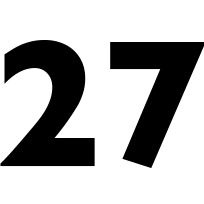
AI-2027 Explores the Future of Artificial Intelligence
The independent research site AI-2027 offers deep dives into what AI might look like by 2027. From education and medicine to governance and ethics, it explores future-forward scenarios and expert opinions.

White House Launches AI Education Initiative
A new executive order aims to promote AI literacy among American youth by integrating AI into K–12 education, providing comprehensive training for educators, and fostering early exposure to AI concepts.


Overview: How the 2025 AI Executive Order Could Impact School Districts
Grant Prioritization for AI
Federal education grants will give preference to proposals that include AI-related curriculum, tools, or training.
Federal education grants will give preference to proposals that include AI-related curriculum, tools, or training.
Public-Private Partnerships
New collaborations with tech companies and universities will create free or low-cost AI learning platforms for K–12 students.
New collaborations with tech companies and universities will create free or low-cost AI learning platforms for K–12 students.
Presidential AI Challenge
A national competition will be launched to encourage student and educator engagement in AI education.
A national competition will be launched to encourage student and educator engagement in AI education.
AI Apprenticeship Programs
The Department of Labor will develop registered apprenticeships in AI-related careers to support real-world skill development.
The Department of Labor will develop registered apprenticeships in AI-related careers to support real-world skill development.
Teacher Training in AI
Funding will support professional development to help teachers effectively use and teach AI in the classroom.
Funding will support professional development to help teachers effectively use and teach AI in the classroom.